
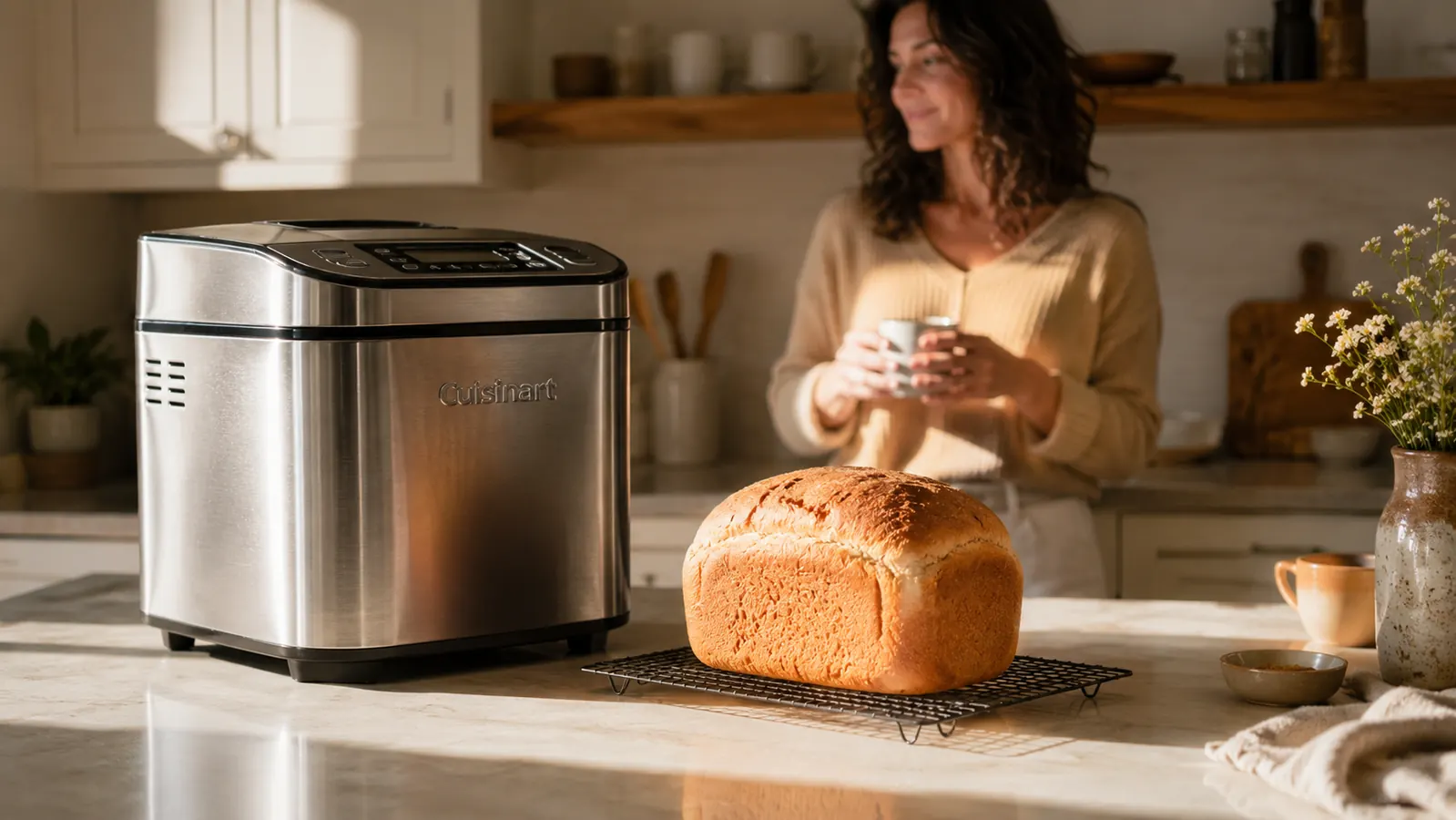
I bought the Cuisinart Bread Maker on a Tuesday in March because I was tired of throwing away the heels of grocery store loaves my kids wouldn't touch. Four months and roughly sixteen Sunday bakes later, I can tell you exactly where this machine earns its keep on my counter and exactly where it falls short.
This isn't a first-impressions review. I've run the Cuisinart through basic white sandwich loaves, whole wheat, a gluten-free experiment that flopped, and more batches of cinnamon raisin bread than I care to admit. My 9-year-old now asks for 'the machine bread' by name over the bagged stuff, which is the highest compliment a kitchen appliance can get in my house.
I'll admit I was skeptical going in. I'd used a cheaper bread machine years ago that produced a loaf shaped like a brick and about as dense, and I figured most bread makers were doomed to the same fate. The Cuisinart changed my mind within the first two weeks, though it took some trial and error to get there.
The Short Version
The Quick Verdict
A genuinely reliable countertop bread maker that produces consistent, bakery-decent loaves week after week, with a learning curve on crust settings and a footprint you need to plan for.
Amazon Check Today's Price →Still hand-kneading dough on Sunday mornings? There's a faster way.
The Cuisinart Bread Maker handled 16 straight weeks of loaves in my kitchen without a single mechanical hiccup. Check today's price and see if it's in stock.
Amazon Check Today's Price on Amazon →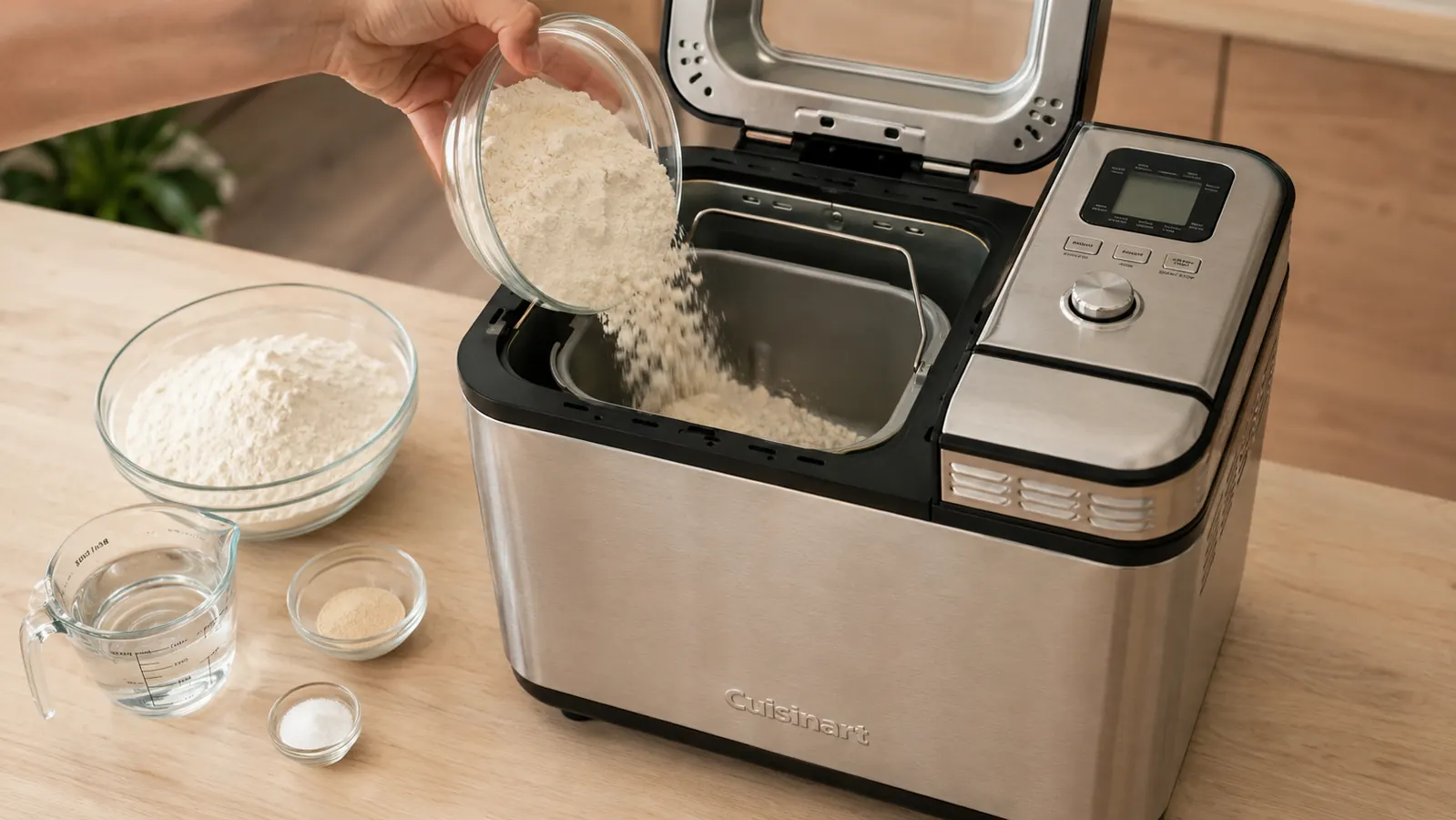
How I've Used It
My routine settled fast. Every Sunday around 8 a.m., I measure out flour, water, a tablespoon of butter, salt, and yeast into the Cuisinart's nonstick pan, lock it into the machine, pick the Basic or Whole Wheat cycle, choose the 2-pound loaf size, and walk away. By the time we're back from the farmers market, the kitchen smells like a bakery and there's a warm loaf waiting.
I tested all 12 menu options over the four months, not just the two I use weekly. The Dough cycle turned out to be a sleeper favorite. I use it to mix and proof pizza dough on Friday nights, then finish it in the oven instead of the machine. The Jam setting worked fine on a batch of strawberry jam in June, though I'll admit I only tried it once out of curiosity.
The one cycle I'd skip entirely is Gluten-Free. My attempt at a gluten-free loaf for a visiting friend came out dense and gummy in the center, even after I followed the Cuisinart manual's ratios closely. That's less a knock on the machine and more a reminder that gluten-free flour blends behave unpredictably in any bread maker.
By week six I'd stopped measuring my ingredients on a notepad and just knew the routine by feel. That's really the milestone that tells you a kitchen gadget has earned a permanent spot. Anything that still requires a manual open on the counter after a month and a half isn't a keeper in my house, and the Cuisinart cleared that bar easily.
Unboxing and First Setup
The Cuisinart Bread Maker arrived well packed, with the pan, kneading paddle, measuring cup, measuring spoon, and a spiral-bound recipe book tucked inside the machine itself. Setup took maybe ten minutes: wipe down the pan, run one dry cycle with nothing in it to burn off the factory smell, and read through the digital display's button layout, which is refreshingly simple compared to some smart appliances I've reviewed.
My first real loaf, a basic white sandwich bread, came out shorter than I expected, maybe two-thirds the height of a store loaf. I later learned this is normal for a first bake since the yeast hadn't been tested with my specific water temperature yet. By the third attempt, using slightly warmer water and fresher yeast from an unopened jar, the loaf rose properly and filled the pan the way it's supposed to.
Crust, Crumb, and the Learning Curve
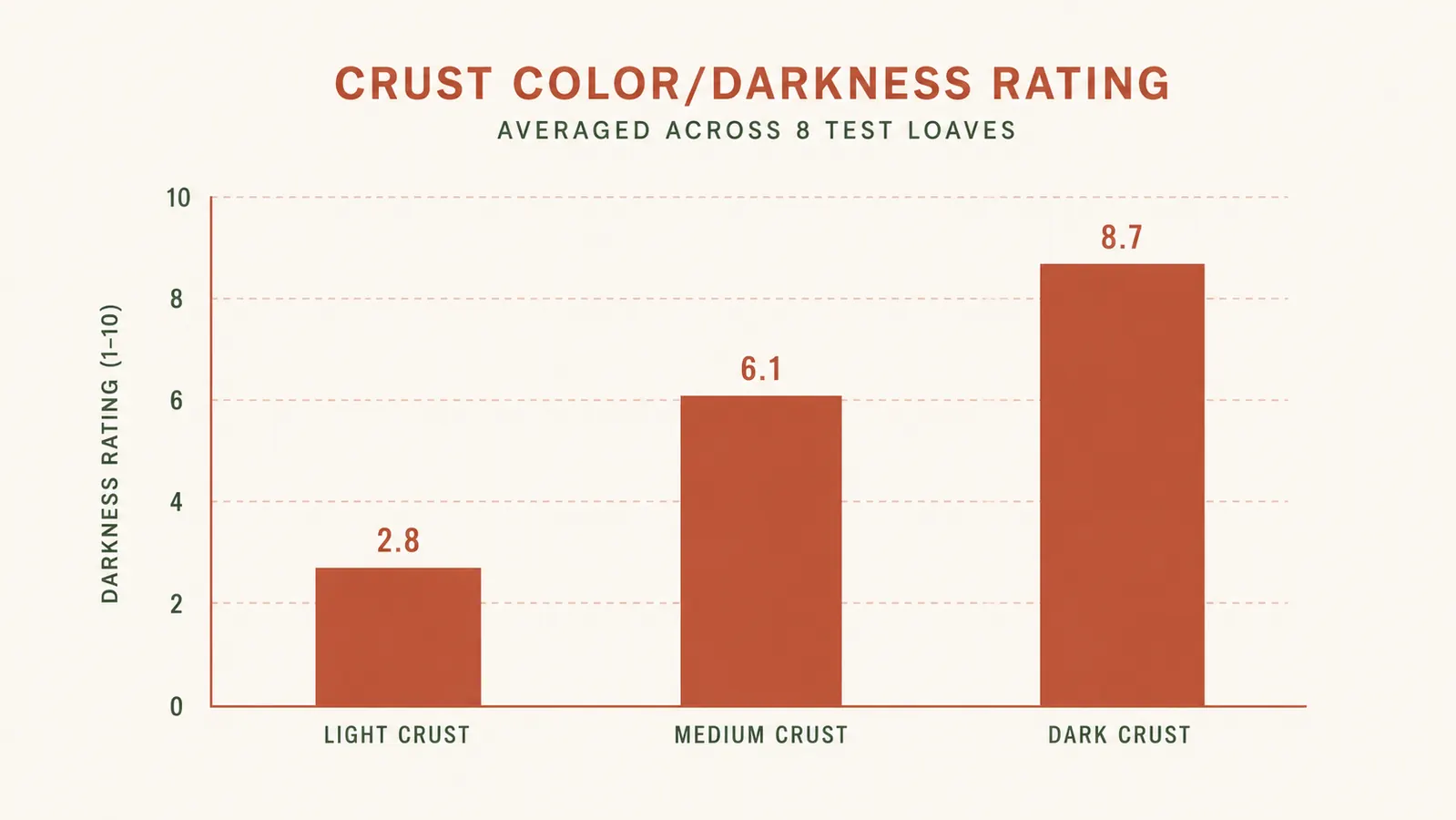
The Cuisinart Bread Maker gives you three crust settings: light, medium, and dark. My first four loaves all came out on the pale side even on the 'dark' setting, which had me second-guessing the machine. Turns out the fix was mine, not the appliance's: I was using bread flour with a lower protein content than the recipe called for, which changed how the crust browned.
Once I switched to King Arthur bread flour and started measuring by weight instead of volume, the dark setting actually produced a deep golden brown crust that held its shape when sliced. The crumb inside stayed soft and even, no dense gummy streak at the bottom, which was my biggest fear going in after reading complaints about other bread machines online.
The viewing window on top is small but useful. I got in the habit of checking the dough ball around the 10-minute mark of the knead cycle. If it's too sticky, I add a tablespoon of flour through the window. If it's too dry and crumbly, a teaspoon of water does the trick. That one habit fixed probably 80 percent of my early inconsistent loaves.
I also ran a side-by-side test in May comparing three flour brands on the medium crust setting. King Arthur produced the most consistent rise and browning, a store brand came in a close second, and a cheaper generic flour left the crust noticeably pale and the crumb slightly gummier near the bottom. The Cuisinart itself performed identically each time. The flour was doing the heavy lifting.
Performance Over Four Months
The real test of any kitchen appliance isn't the first loaf, it's the fortieth. I've now run the Cuisinart through sixteen weekly cycles plus roughly ten extra bakes for holidays, dinner parties, and one memorable attempt at a cinnamon swirl loaf that stuck slightly to the pan. Loaf-to-loaf consistency has been remarkably steady since week four, once I nailed down my flour and water ratios.
I only had one real hiccup in four months. In early June, a loaf came out dense after I forgot to check that my yeast hadn't expired. That one's on me, not the Cuisinart, but it's worth mentioning because it's the kind of user error the machine can't compensate for. Fresh, properly stored yeast matters more than almost anything else in this process.
What surprised me most was how the family's relationship with the loaf changed over time. In month one, fresh bread was a novelty everyone crowded around. By month four, it's just what Sunday smells like, and my kids have started asking to help measure ingredients, which is its own small win I didn't expect from a kitchen appliance.
Noise, Size, and Living With It Daily
The Cuisinart is not silent. During the kneading phase it thumps rhythmically against the counter, loud enough that I don't run it while anyone's on a work call in the next room. It quiets down significantly during the rise and bake phases, and the whole cycle finishes in about 3 hours for a basic white loaf.
Footprint-wise, it takes up more counter space than my old stand mixer, roughly the size of a large toaster oven. I keep mine tucked under the cabinets next to the coffee maker, and the viewing window means I don't have to pull it out to check progress. If your kitchen counter is already crowded, measure your space before you buy. This is not a small appliance.
I've also used the 13-hour delay timer a handful of times, loading the pan the night before so a loaf is ready when we wake up. It works exactly as advertised, though I don't use ingredients like milk or eggs on delay bakes since those don't sit safely at room temperature overnight.
Cleanup and Durability After 16 Bakes
The nonstick pan and kneading paddle both go through the dishwasher fine, though I hand wash them most weeks just to protect the nonstick coating longer term. After 16 uses, I'm seeing the faintest bit of wear on the paddle's coating, nothing that's affected performance, but worth noting if you're the type who expects showroom-new after a year.
The exterior stainless steel wipes down easily with a damp cloth. Flour dust collects in the seam around the lid, which takes an extra minute with a small brush every couple of weeks. Nothing dealbreaking, just a maintenance habit worth building in.
One small detail I appreciate: the pan lifts out with a simple twist-and-pull motion, no wrestling required, even when it's still warm from baking. That sounds minor until you've fought with an appliance that traps a hot pan behind a stiff latch. The Cuisinart never made me wait around for something to cool down before I could get the loaf out.

Alternatives I Considered
Before settling on the Cuisinart, I looked hard at a Zojirushi model that a friend swears by. The Zojirushi has a reputation for a taller, more uniform loaf shape thanks to its vertical pan design, and I don't doubt it. But it also costs noticeably more, and for a family that wanted a reliable weekly loaf rather than a showpiece, the Cuisinart's price point made more sense for what we actually needed.
I also briefly considered skipping a bread machine entirely and just hand-kneading on weekends. I did that for about a year before buying the Cuisinart, and honestly, the time savings alone justified the purchase. Hand-kneading a decent loaf takes me close to twenty minutes of active work plus rise time I have to babysit. The Cuisinart needs about five minutes of my attention total.
What I Liked
- Consistent, bakery-quality crumb once you dial in your flour and water ratios
- 12 menu options cover far more than basic bread, including dough, jam, and cake cycles
- Viewing window lets you correct dough consistency mid-cycle without opening the lid
- Nonstick pan and paddle have held up well through 16+ weekly bakes
- Three loaf sizes (1, 1.5, and 2 pound) fit different household needs
- 13-hour delay timer works reliably for overnight bakes
Where It Falls Short
- Kneading phase is genuinely loud, not ideal near a home office or nursery
- Dark crust setting needs the right flour to actually deliver a dark crust
- Gluten-free cycle underperformed in my one test
- Takes up more counter space than a standard toaster oven
- No dedicated app or smart features, purely manual controls
Once I fixed my flour, this stopped being a machine I was testing and became a machine I was just using. That's the real test of any kitchen appliance.
Who This Is For
If you bake bread more than once a month, want consistent results without kneading by hand, and have counter space to spare, the Cuisinart Bread Maker is a strong pick. It's especially good for families trying to cut down on preservative-heavy store bread, or anyone who wants fresh dough on demand for pizza night without dragging out a stand mixer.
It's also a solid fit for anyone who works from home and wants the smell of fresh bread without standing over a stove. I've started running a loaf during my Sunday morning work block more than once, and the timing lines up perfectly with a coffee break.
Who Should Skip It
If you're gluten-free, or you live somewhere with a tight kitchen counter and no cabinet storage to spare, look elsewhere or plan carefully. Same goes for anyone who bakes once a season rather than weekly. The Cuisinart rewards regular use. Left in a cabinet for months at a time, it's just an expensive box, and you'd be better served by a bakery down the street.
Four months of Sunday loaves later, I'd buy it again.
If your kitchen has the counter space and your family goes through bread the way mine does, the Cuisinart Bread Maker earns its spot. See today's price on Amazon.
Amazon Check Today's Price on Amazon →